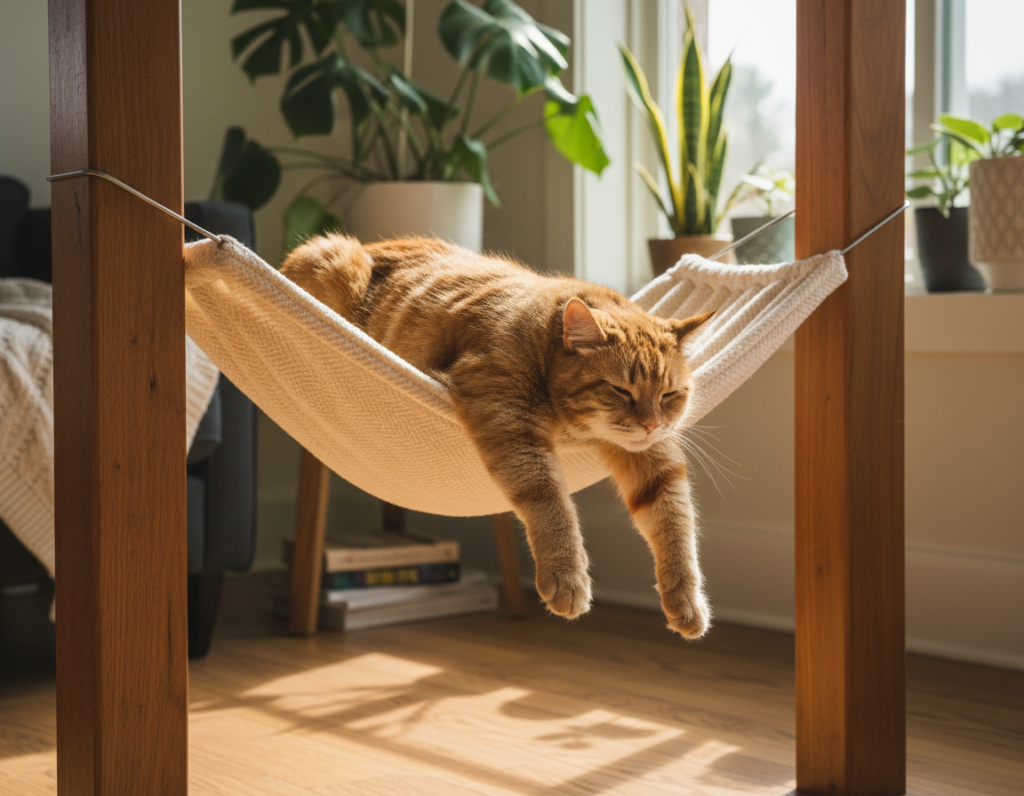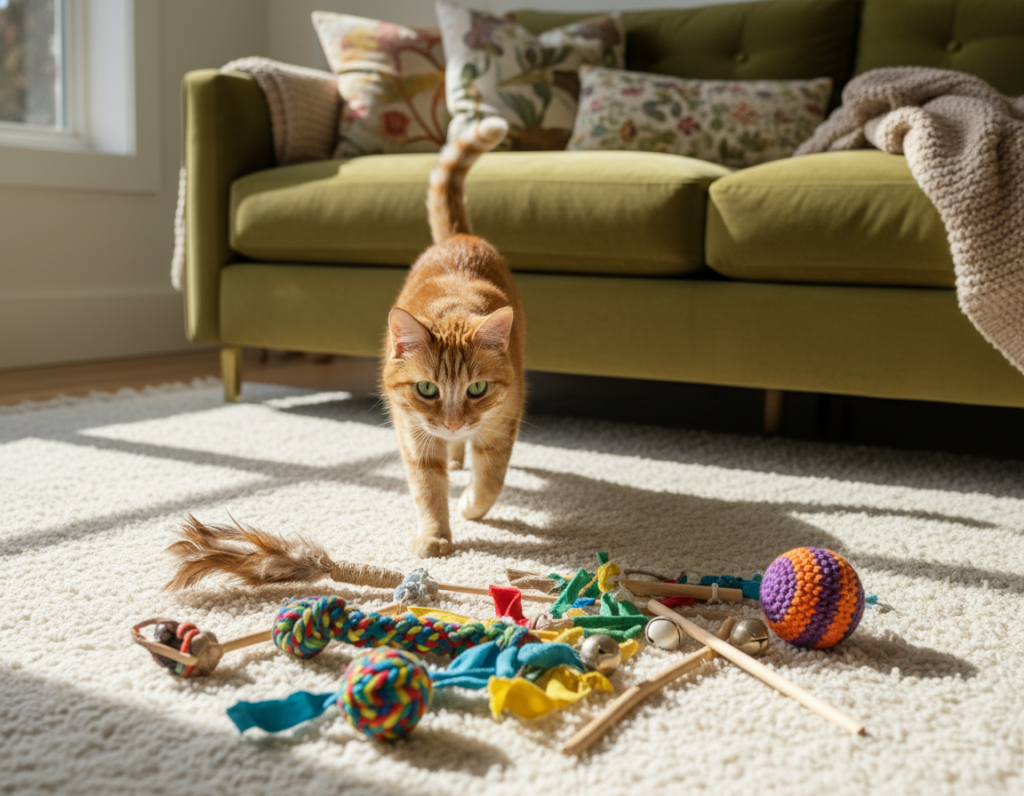
Repurposing common pieces turns living rooms and halls into safe vertical routes. This guide explains how a DIY indoor cat climbing setup can reuse shelves, benches, and cabinets to give a feline new territory without buying pricey cat furniture.
Simple planning and clear instructions keep every step safe and effective. Readers will learn how to assess wall strength, measure space, and link platforms for a steady climbing wall that fits their home.
Each step shows practical tips to adapt existing furniture and build a cohesive path. The approach focuses on function and beauty so the final system looks like part of the room.
Start by surveying your home and choosing sturdy pieces. With modest time and care, anyone can craft a lasting, engaging diy cat wall that honors a pet’s instincts and keeps them active.
Understanding the Benefits of Vertical Territory
Adding levels around the house creates rich places that support physical fitness and calm behavior. Vertical territory gives pets options for movement and rest. It lets them survey rooms from a safe, elevated position. A 2015 study found stress dropped when hiding spots and vertical structures were added to captive environments.
Physical Health Benefits
Elevated areas promote exercise. A multi-level path encourages jumps, stretches, and short bursts of activity. This helps prevent weight gain and keeps muscles strong.
- Improves balance and coordination
- Encourages regular movement and play
- Reduces sedentary behavior
Mental Stimulation
Access to high spots reduces anxiety and creates control over territory. When cats can hide or watch from above, they feel secure. This is vital in homes with multiple pets.
Behavioral gains: cats like to climb because it matches ancestral habits. Adding varied places to explore keeps them curious and less bored.
Assessing Your Home for a DIY Indoor Cat Climbing Setup
Begin with a quiet survey: note which walls in the home draw the most attention from cats. Watch where a pet jumps, perches, or scratches. These patterns point to the best lines for a cat wall.
Measure usable space. Pick walls that offer room for several shelves so the route flows. A narrow wall can work, but multiple platforms should leave clear gaps for safe movement.
Consider furniture that blends with the plan. Benches, bookcases, and window seats often become natural links between shelves. Using existing pieces keeps the look cohesive and saves money.
Choose calm, well-lit spots. Quiet corners and windows are preferred by many indoor cat owners because they feel secure and can observe the room. When these areas line up, a compact climbing wall solution turns a small room into an engaging playground.
- Observe behavior first
- Map shelf spacing
- Blend shelves with furniture
Selecting the Best Walls for Your Feline Friend
A well-chosen wall turns unused vertical space into a rich, active zone for a curious feline. Choosing a sturdy spot sets the foundation for a safe and engaging cat wall that fits the room and the pet’s habits.
Utilizing Window Views
Windows offer mental stimulation. Place a cat shelf near windows so the animal can watch birds and street activity. This simple step reduces boredom and encourages use.
- Pick walls away from high-traffic areas and ceiling fans to reduce stress.
- Measure the size of each shelf and the space between pieces to match your pet’s step length.
- Read customer reviews for layout ideas and successful installation hints.
- Use a design form for custom layout recommendations; turnaround is typically 3–5 business days.
Final way forward: map the wall, test sightlines from the window, and plan shelf placement so the path flows naturally through the room.
Essential Tools and Materials for Installation
Begin by collecting reliable tools and hardware to make sure each wall anchor holds firm. A quality drill, a stud finder, and the correct screws are the core items needed for safe shelf attachment.
Follow the manufacturer’s instructions for every product. Using the right anchors and bolts prevents mounts from loosening over time and protects the pet and home.
Choose materials that carry weight. Many builders recommend hardwood or thick plywood for shelves so each platform resists wear and jump forces.
Before drilling, confirm that the chosen wall type matches the anchors supplied with the product. Drywall, plaster, and masonry each need different hardware and a sturdy wall mount.
“Gathering all tools and verifying compatibility first saves time and avoids unsafe repairs.”
- Reliable drill and driver set
- Stud finder and level
- Appropriate screws and wall anchors
- High-quality wood shelves and brackets
As a final step, lay out a tool checklist and read every instruction sheet. One careful step now prevents repairs later and keeps the entire furniture path steady for a curious pet.
Locating Wall Studs for Maximum Stability
Locate reliable framing first to make sure each perch holds steady under weight.
Use a stud finder to find the center of each stud. In most U.S. and Canadian homes, studs sit 16 inches on center. Mark each center with painter’s tape so the layout is clear before any installation begins.
Using a Stud Finder
Move the device slowly along the wall. When it signals, mark the spot with tape on the side and center of the stud. Repeat across the planned route to map where shelves will anchor.
Identifying Electrical Hazards
Keep in mind that wiring often runs alongside studs. Check the side of each marked stud and avoid drilling where wires may be present. If uncertain, consult a professional electrician.
Working with Masonry
For masonry walls, switch to a 1/8 inch masonry bit and use proper anchors to handle the same weight as wooden studs.
“Securing shelves directly into studs reduces stress on the wall and makes the whole way safer for cats.”
- Mark centers with tape
- Verify spacing before drilling
- Follow all product instructions during installation
Designing a Layout That Matches Your Cat’s Abilities
Map out levels that suit activity and age, ensuring every ledge is reachable and secure. Space shelves about 12 to 18 inches apart so jumps match a pet’s natural stride. This gap helps most animals move without overstretching.
Include intermediate steps for seniors or pets with mobility issues. Shorter hops and wider platforms give them confidence and steady access to each level. Larger animals may need longer shelves to feel stable when they rest or turn.
Use painter’s tape to mock up the final layout on the wall. This cheap test shows flow, sightlines, and how the route links with furniture in the room.
- Plan multiple routes so each feline can pick a way that suits mood and rank.
- Adjust shelf size and spacing based on your pet’s size and agility.
- Test each step before permanent mounting.
“A flexible layout that fits ability and room use encourages regular, confident movement.”
For more creative cat wall ideas, consult layout guides and adapt them to your space and pet’s needs.
Incorporating Existing Furniture into Your Design
A well-placed cabinet often becomes a strong base for an extended shelf route. Repurposing shelves and cabinets is a budget-friendly way to grow a cat wall without buying new cat furniture.
Choose sturdy pieces such as bookcases, dressers, or media consoles that sit flush against the wall. Many modern cat owners find a heavy bookshelf provides a steady launch point between levels.
Repurposing Shelves and Cabinets
Check online reviews for any product before repositioning it as a perch. Reviews often note wobble, weight limits, and real-world durability.
- Confirm the piece is rated for extra load and can be anchored.
- Use brackets or straps to secure tall furniture to studs.
- Match shelf height to the room’s sightlines so the space feels cohesive.
“Always anchor repurposed furniture to the wall to prevent tipping during play.”
Adding Scratching Surfaces and Resting Perches
Add textured zones and cozy perches so the wall becomes both a playground and a retreat.
Anchor the route with a tall tower. A 69-inch tower makes an excellent focal piece. It provides a high resting perch and a vertical scratching surface that supports the overall climbing wall.
Wrap sisal rope or apply textured fabric to shelves to give the cat grip and a place to scratch. Curved shelves are a popular modern cat furniture choice because they cradle the body and make naps more comfortable.
Mix surfaces and heights. Alternate flat platforms, cushioned perches, and rough panels so each level offers something new. This keeps cats engaged and helps them move between pieces with confidence.
Use only pet-safe, easy-clean materials. Choose coverings that can be replaced when worn. That ensures every product on the wall stays hygienic and durable over time.
“A varied route with solid perches and reliable scratching spots encourages regular use and long-term interest.”
- Include a vertical scratch surface on one strong piece.
- Place curved shelves for long naps after activity.
- Cover all pieces with replaceable, pet-safe fabrics.
Ensuring Safety During the Mounting Process
Safety starts by treating each shelf and mount as a load-bearing element, not just a decorative piece. Every product must be installed to hold weight as specified, and the installer should follow the manufacturer’s instructions for each piece.
Test each shelf and bracket before use. Screw every anchor into a stud or use the correct masonry hardware. Confirm the load rating for the cat shelf and the full route if multiple cats will play at once.
Stagger shelves in a zigzag pattern to build a natural climbing path. This layout helps cats keep balance and reduces the chance of a pet getting stuck on a level.
Perform routine checks. Tighten screws and inspect anchors after the first week, then monthly. Small loosening can become a major hazard over time.
- Follow installation instructions for each product.
- Verify weight limits and test each piece before use.
- Check mounting hardware regularly and tighten as needed.
“Taking time during installation creates a secure environment that encourages safe exploration.”
Encouraging Your Cat to Explore the New Space
Introduce the new vertical area with patience and positive cues so the animal feels safe. Begin near the lowest level and move slowly upward. Use familiar items and short sessions to build confidence without pressure.
Using Treats for Motivation
Use a favorite treat or toy to lead the feline onto the first shelf. Reward each step so the pet links the route with good things.
Try small, frequent rewards. Place treats on successive levels and praise every successful hop. A scented blanket on a high level helps the animal accept the top perch as its own.
Allowing Time for Adjustment
Give the animal days or weeks to grow comfortable. It is normal for some to hesitate. Let them explore the space at their own pace.
- Include both upward and downward ways so the pet never feels trapped.
- Keep sessions short and calm to prevent stress.
- Use steady positive reinforcement and soft praise after each attempt.
“Consistent, gentle encouragement builds confidence faster than force.”
Tips: monitor use, tweak the layout if a side feels awkward, and add more perches if needed. Small changes often make a big difference in how the room is used.
Maintaining Your Climbing System for Long-Term Use
Routine checks keep every shelf and bracket secure and extend the life of a wall route. Inspect screws and anchors monthly and tighten any that have loosened over time.
Clean fabrics and carpeted surfaces regularly. Vacuum or spot-clean pads to remove hair and debris. Replace worn or frayed sisal and loose coverings before they become a safety risk.
Many modern pet owners pair a climbing wall with a refined litter box cabinet to maintain a tidy living area. Matching furniture and storage makes the solution feel integrated.
Rotate and replace scratching pads as they wear. Swapping pads is a fast way to keep the product looking new and functioning well.
- Check shelves for wobble and buckle under light pressure.
- Inspect fabric, rope, and fastenings every few months.
- Keep the original installation instructions handy for adjustments.
“A short, scheduled inspection saves time and prevents accidents.”
Conclusion
, Finishing the route turns scattered shelves and furniture into a deliberate space for movement and rest.
Building a cat wall can be rewarding. It improves behavior and adds usable vertical space to the home.
By repurposing sturdy furniture and following safety tips, owners create a budget-friendly route that looks intentional. Anchor each shelf into a stud so the entire wall stays secure.
These ideas and practical steps show how simple materials and measured planning produce lasting results. With patience and the right materials, a diy cat wall becomes a long-term feature the pet will use for years.