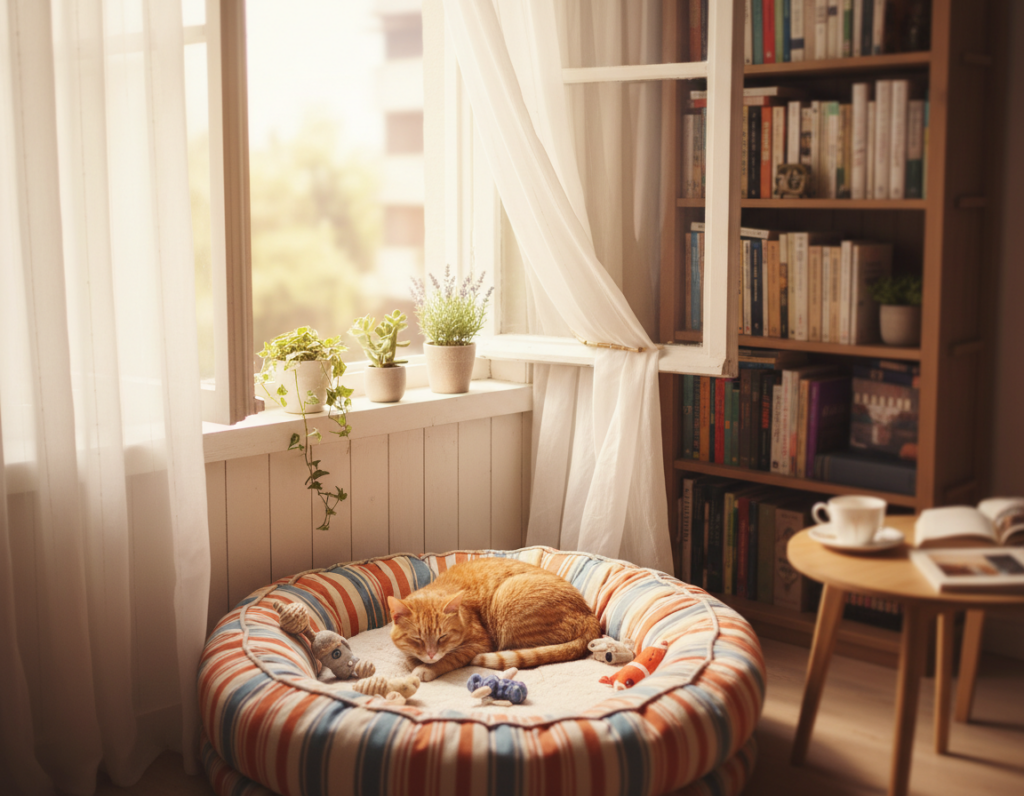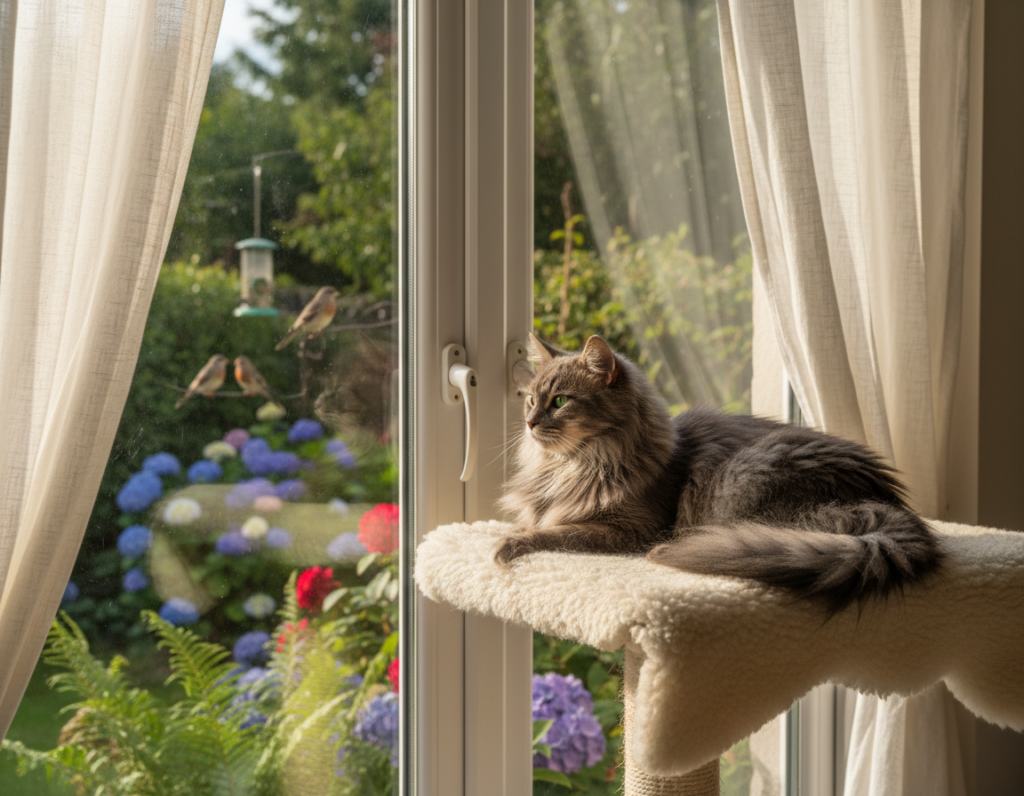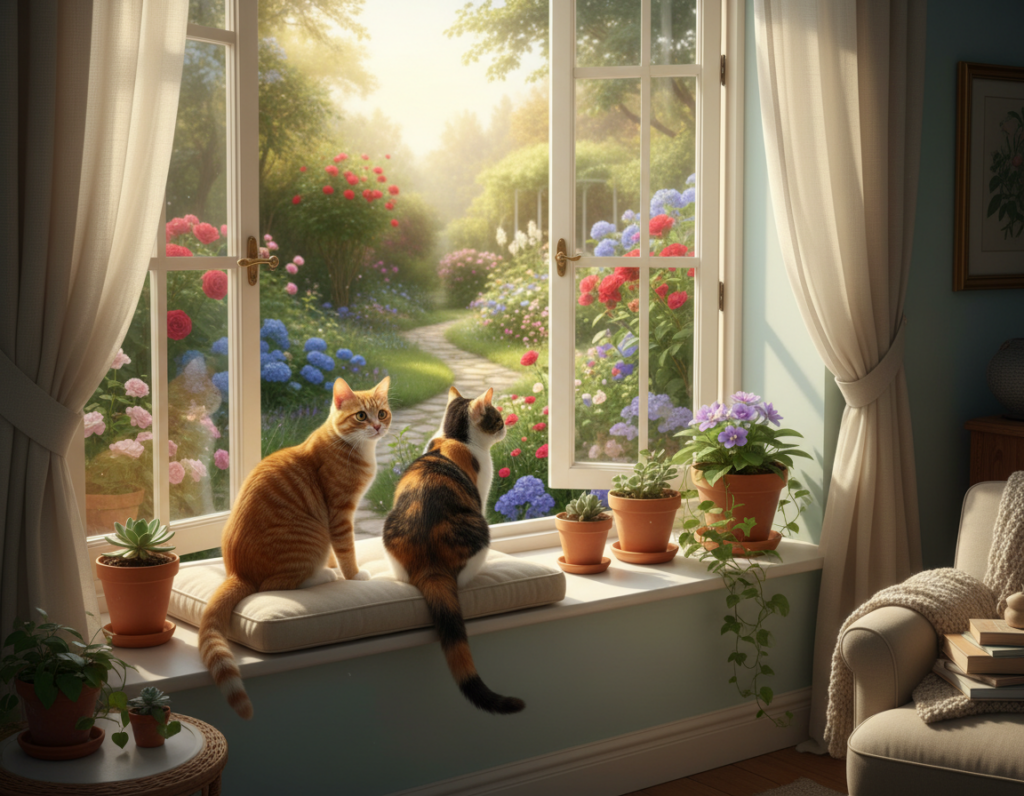
Living with three cats in a tight studio forces smart choices. The author tested several indoor trees and furniture pieces to find items that blend function with style. Results focused on durability, room fit, and how each piece affected daily life.
They looked for options that save floor space while giving pets vertical territory near the window. One clear win was a design that acts as both a sturdy perch and a subtle decor element. It keeps toys and scratching zones off the floor and helps reduce clutter.
The testing showed that good design need not be ugly or flimsy. High-quality trees exist that satisfy cats and owners without dominating a small room. These findings help readers choose the best cat trees for limited space and a tidy, modern home.
The Reality of Living with Cats in Small Spaces
Three active felines turn small living quarters into a lesson in efficient design. Every item must earn its place and help preserve usable floor area.
Furniture selection becomes strategy. A smart cat tree does double duty: it offers vertical play and keeps toys off the floor. The right piece blends into modern homes rather than standing out as an eyesore.
Daily life in compact homes often includes scattered boxes and toys. A well-chosen structure reduces clutter by giving animals a dedicated outlet to climb and rest.
Placement matters more than size. Consider the base footprint and overall height to make sure all three cats have room to move without overwhelming living space.
For more small-space solutions and practical tips, see this collection of small-space hacks.
Essential Safety Considerations for Pet Furniture
Safety checks should be the first step when choosing elevated furniture for indoor climbers. A quick inspection of materials and hardware prevents common hazards.
Toxic materials: Russell Hartstein of Fun Paw Care warns that some makers use formaldehyde glue. Consumers should verify adhesives and finishes are labeled pet-safe.
Weight and stability: Check the product’s weight capacity and test stability. Tall trees that wobble may need a wall anchor to prevent tipping.
- Confirm screws are tight after assembly and periodically retighten them.
- Inspect ropes and coverings for frayed fibers or loose glue that could harm animals.
- Look for small parts that could detach and present a choking danger.
By prioritizing these checks, owners make sure their cats can climb and lounge without undue risk. For more on safe options, see a detailed guide on whether are cat trees safe.
My Cat Perch Apartment Review Methodology
To judge each piece fairly, testing focused on real-life use over several weeks with all three animals present.
Hands-on trials: Each cat tree was set up in rotation. The author watched how the cats used platforms, hiding spots, and scratching surfaces. Notes tracked which levels were most popular and how wear progressed.
Practical assessments: Durability, how the design fit limited space, and overall aesthetic were scored. Assembly was timed and evaluated so a typical owner could set up the product without frustration.
Safety and value checks: Manufacturer specs were verified for stability and materials. Replaceable parts and repair options were noted to gauge long-term value.
- Observed real interactions to measure appeal.
- Tested ease of setup and daily maintenance.
- Recorded damage over weeks to judge longevity.
The goal was transparency: by testing in a real home, the team could recommend which tree designs genuinely improve life for owners and their cats.
Affordable and Solid Tree Options
Affordable choices can offer real durability and useful features. The Catit Vesper Box, at $90, pairs a semi-enclosed bottom area with a middle seat and a top bed. It delivers a sturdy base and usable levels that keep toys and climbing zones organized.
The Mau Cento Tree costs $299 and is made from ethically sourced real wood. Its natural posts and soft perches make it a strong option for those who want design and stability in one product.
Replacement Parts and Longevity
Look for models that offer replaceable rope and posts. Many mid-price cat trees include spare parts or sold-separately pieces. That feature extends life and saves money over time.
- Heavy base: Choose a tree with weight at the bottom for stability when multiple cats climb.
- Size fit: Make sure the size works in your corner so wide platforms do not crowd the floor.
- Toys and features: Built-in pom-poms and multiple platforms keep pets engaged while they rest on the top bed.
Bottom line: A solid cat tree with replaceable posts and a heavy base can be one of the best cat furniture investments for busy homes.
Luxury Designs for Modern Decor
High-end lounging systems pair sculptural form with materials meant to last. These pieces blend solid wood frames and neutral fabrics so a tree looks like a living-room object instead of a pet accessory.
Many luxury cat trees use sustainably sourced wood and tailored upholstery. That craftsmanship boosts stability and helps multiple cats climb without wobble.
Owners often choose these models for their tasteful lines and long lifespan. The result is furniture that supports feline behavior while matching modern interiors.
- Durable materials: real wood posts and high-quality fabrics resist wear.
- Minimalist design: neutral colors and clean silhouettes reduce visual clutter.
- Built to last: superior joinery and replaceable parts extend service life.
Investing in a premium tree gives cats a secure place to climb and rest, while adding a refined furniture piece to the home. This approach keeps style and function in balance for contemporary living.
Vertical Solutions for Indoor Climbers
Using height instead of footprint transforms small rooms into layered play zones for indoor climbers. The right vertical piece gives pets multiple spots to climb, nap, and observe without eating floor space.
Maximizing Vertical Space
The Archie & Oscar Henrietta is a 60-inch tall cat tree that excels at using vertical space in a compact room. It has three tiers and several platforms that let animals reach a high bed and survey the room.
Owners noted the sturdy wood construction and adjustable features make this product a good option for multiple climbers. For safety, secure tall pieces with a wall mount to reduce wobble and weight shift.
Concealment Instincts
This faux tree design mimics leaves and branches so cats can hide among the tiers. Concealment helps shy animals feel safe and reduces conflict when several pets share one piece.
“Vertical cat trees give shy pets a private top and open new levels of play,”
- Three levels and multiple platforms support climbing and rest.
- Use wall anchors for stability with tall designs.
- Choose models with replaceable posts and durable fabric for long life.
Bottom line: A 60-inch, multi-level tree is an efficient option for owners who need more vertical territory and less floor clutter.
Modular Systems for Custom Layouts
The Omlet Freestyle is a wall-mounted modular system that converts blank walls into useful climbing zones. It lets owners mix and match platforms, beds, and scratching posts to fit odd corners and narrow spaces.
Custom layout: panels and posts attach to a stable base on the wall, so the overall design stays rigid even when multiple cats jump between levels. This modular approach makes it simple to change the size or add new options as needs evolve.
Durable build: the kit uses quality wood and metal components. That combination supports higher weight capacity and holds up when heavier pets use the system.
- Adjustable modules let you place platforms and a cozy bed at the ideal height.
- Side attachments add perches or extra scratching posts to keep animals engaged.
- Wall anchoring improves long-term stability compared with freestanding trees.
For owners wanting flexibility, a modular product offers expandability and tailored design without sacrificing stability or style.
Cozy Caves and Soft Bedding
Soft, enclosed beds give shy felines a quiet place to unwind amid a busy living area. The Catenary Moon Cave is a versatile option at about $90 that works as a tucked cave or an open-style bed with a pushed-down top.
Machine washable fabrics make upkeep simple. Owners can remove soil and hair with a quick cycle, which keeps sleeping areas hygienic and fresh for multiple pets.
The Moon Cave’s neutral design blends into living rooms instead of standing out. Many cats prefer the sense of security the cave provides, which helps them sleep longer and feel safer in shared spaces.
Placement matters: set the bed in a quiet corner or attach it near a tree base to give animals a private spot that still feels part of the household.
- The Moon Cave converts easily to a traditional bed when pets want more headroom.
- Machine-washable fabric speeds cleanup after shed or messes.
- Its soft interior offers a dedicated, inviting spot for napping on the floor or inside a larger tree.
Window Perches for Sunbathing
Sunlit ledges give indoor climbers a vantage point and a warm place to rest. For many felines, a secure window spot combines sun, motion, and fresh views into a daily routine.
The K&H Pet Products Kitty Sill Fleece is a popular choice because it mounts easily and holds up well. It installs on the sill or with brackets that attach to the wall, depending on the model.
Choose a model that lists weight capacity and fits the sill depth. This prevents accidents and ensures the top stays steady when multiple animals jump up.
Window perches save floor space and act like a compact cat tree by giving vertical territory without large trees or posts. Add a soft bed or blanket to make the spot cozier for naps.
- Easy install: suction or bracket options for different windows.
- Support: check weight rating before buying.
- Mental enrichment: front-row views reduce boredom and stimulate natural behaviors.
Cardboard Loungers and Scratching Slabs
A good scratching slab can protect furniture while doubling as a cozy bed for lounging pets.
Reversible Scratching Surfaces
Reversible designs like the PetFusion Ultimate Cat Scratcher Lounge offer two usable sides. This effectively doubles lifespan before replacement is needed.
The PetFusion product costs about $44 and is built strong enough to support human weight. That sturdy base means no wobble when heavier animals step on it.
- Dual sides: flip the slab to refresh the surface.
- Multiuse: serves as a bed, scratching area, and low platform on the floor.
- Budget-friendly: a cost-effective alternative to a full cat tree or tall posts.
Eco-Friendly Materials
Eco-friendly cardboard is breathable and recyclable. It gives scratching action without toxic glues or heavy wood parts.
Adding one or two slabs around the room protects sofas and keeps climbing behavior focused on purpose-built pieces. For small living space, this product is a practical option that complements taller trees and wall-mounted perches.
Furniture-Integrated Scratching Solutions
A well-made piece of furniture can double as a durable scratching solution and still look like high-end décor. The Hilde & Phil Cat-e-Corner is a real-wood side table that also functions as a scratcher for pets. It keeps a dedicated scratching post hidden in plain sight and reduces standalone trees in tight rooms.
The design uses replaceable sisal mats that attach with Velcro. This makes upkeep simple and turns the unit into a long-term investment. Owners can swap worn mats without replacing the whole product.
Stability matters: the solid wood base gives good weight so the piece does not move when animals scratch or climb. That makes it a safe, functional product for busy homes.
- Combines a usable side table with a built-in scratching post to save floor space.
- Replaceable sisal mats extend service life and lower long-term cost.
- Neutral design keeps the living area tidy and stylish while supporting pets’ needs.
Choosing furniture that doubles as a tree or scratcher keeps toys and posts consolidated, supports natural behaviors, and preserves a clean aesthetic in modern homes.
Portable Carriers That Double as Beds
Combining a travel-safe carrier with a removable bed creates a consistent refuge on the go. These designs let animals rest in a familiar spot during vet trips, long drives, or flights.
Practical picks: the Tuft + Paw Porto Cat Carrier ($99) unzips to become a padded bed. The Dagne Dover Kyoto Pet Carrier ($340) adds TSA-compliant sizing for plane travel.
TSA Compliance for Travel
Travelers should check weight and dimensions before booking. The Kyoto carrier meets many airline carry-on rules and collapses flat for storage.
“A carrier that doubles as a bed helps reduce travel anxiety by keeping familiar scents close.”
- Soft yet sturdy construction helps pets feel secure during transit.
- Verify weight capacity to safely transport larger animals.
- Collapsible designs save space when not in use.
- These options work well alongside a small cat tree or low posts at home for consistent comfort.
Recommendation: frequent travelers should invest in a TSA-friendly carrier that converts to a bed to keep their cats calm and comfortable.
Discreet Litter Box Enclosures
Discreet litter box enclosures turn an awkward necessity into a purposeful piece of furniture. The Tuft + Paw Cove Litter Box costs $199 and includes a detachable shelter that keeps litter contained and offers privacy.
Design-forward solution: Many enclosures mimic a small cabinet or side table so the box blends with living room decor. This keeps space tidy and hides odors when the unit is maintained regularly.
Practical tips: confirm the interior has enough room for your cats to turn and dig comfortably. Check weight limits on built-in panels and plan placement near a wall for extra stability.
- Hides mess and reduces tracked litter across floors.
- Helps shy cats feel secure with a semi-private spot.
- Choose models that are easy to clean to avoid lingering smells.
Bottom line: Investing in a high-quality enclosure is smart for small spaces. It pairs well with nearby cat trees or scratching posts and keeps the home looking polished while meeting pets’ needs.
Elevated Feeding Stations and Accessories
An elevated feeding station can make mealtime calmer and more ergonomic for indoor pets.
Preventing whisker fatigue: the Cat Person Mesa Bowl ($45) offers a wide eating surface that keeps whiskers from rubbing against sides. It also raises food to reduce neck strain, which helps every cat eat with less effort.
Practical setup: place the bowl in a quiet corner of the room so animals have a stress-free place to eat. The Mesa Bowl has a stable base so it won’t tip when pets get enthusiastic.
- Clean regularly — plastic can trap bacteria and lead to chin acne in sensitive animals.
- Add a food scoop and small storage set to keep portions and kibble fresh.
- Use one elevated station per feeding level if multiple pets dine at once to reduce jostling.
Recommendation: an elevated bowl is a smart option for owners who want the best care for their pets. Combine it with nearby scratching posts or low platforms to keep feeding areas tidy and functional.
Conclusion
Good designs offer enrichment for pets without sacrificing a home’s visual flow. Choosing the best cat tree means balancing style, safety, and how your cats use vertical space.
In a small home, a well-made tree or modular system keeps toys and scratching zones off the floor. It also gives multiple animals clear spots to rest and play.
Investing in durable pieces pays off. Quality trees last longer, need fewer replacements, and keep everyone calmer. Whether opting for a wall-mounted layout or a simple window bed, prioritize stability and comfort.
With thoughtful selection, you can create a tidy, enriched living space that suits both people and pets.