The introduction explains a practical, apartment-friendly approach to creating a vertical play area for indoor felines. This short guide outlines safe choices and clear steps that protect rented spaces while adding enriching height for pets.
Many owners choose modular platforms or tension-mounted supports to add cat shelves without harming paint or drywall. The Lotus Leaf Cat Shelf is listed between $74.99 and $79.99 as a ready-made option for those who prefer a polished finish.
Readers will find easy ideas for selecting materials, spacing platforms, and ensuring stability. The guide suits beginners and experienced makers alike, and it explains how wall shelves can mimic climbing paths found in nature.
By following this plan, they can build lasting, attractive mounts that keep a feline active and safe. The section sets expectations for step-by-step instructions and practical tips in the next parts.
The Importance of Vertical Space for Feline Enrichment
Many indoor felines thrive when given tall, secure perches that mirror the lookout points they prefer in nature.
Providing vertical territory helps pets feel safe. A dedicated cat wall lets an animal survey its surroundings and gain confidence without facing ground-level disturbances.
A well-planned wall gives cats the chance to climb, leap, and burn off excess energy. This kind of movement reduces stress and discourages unwanted behaviors caused by boredom.
- Elevated platforms act as peaceful retreats for napping and observing.
- Accessible routes encourage natural play and healthy exercise.
- Owners often report calmer, more content pets after adding vertical space.
Every pet benefits from a safe, high vantage point. Installing a cat wall converts unused vertical space into an enriching habitat that supports mental and physical health.
Planning Your No Drill Cat Shelf DIY Project
A clear map of platform positions keeps the installation secure and the climbing path intuitive. This section helps owners match shelf heights to their pet’s mobility and the room’s usable space.
Assessing Your Cat’s Mobility
Start by watching how the animal jumps, climbs, and rests. Note whether it prefers low ledges or high perches.
If mobility is limited, place platforms closer to the floor and add intermediate steps. For active cats, allow greater vertical gaps but keep landing points stable.
Mapping the Wall Layout
Measure the wall and sketch a simple plan. Use a stud finder to locate structural studs and avoid unsupported drywall-only mounts.
- Visualize the layout with painter’s tape before fastening anything.
- Maintain horizontal spacing of 12 to 18 inches between platforms for safe jumps.
- Arrange routes so the animals can move without feeling trapped.
Taking time to plan saves effort during construction. This guide’s practical tips focus on safety, steady attachment to studs, and a comfortable route that fits the home.
Essential Materials and Tools for Sturdy Construction
Durable components and thoughtful hardware keep elevated platforms safe and reliable over time. Choosing the right materials protects both property and pet while supporting active play.
Choosing Durable Wood and Grip Materials
Select hardwood or 3/4″ plywood that can support the total body weight of a jumping cat. Smooth edges and rounded corners reduce injury risk.
- Brackets: Use heavy-duty brackets rated for dynamic loads. Two brackets per shelf improves stability.
- Grip surfaces: Wrap platforms with sisal or low-pile carpet to prevent slipping during leaps.
- Anchors & studs: Fasten into studs when possible; use high-quality anchors if studs are out of reach.
“Prioritizing safety and solid fastenings makes an elevated wall system both fun and reliable.”
Finish choices matter: use non-toxic paints and sealers, and pick materials that blend with home decor. Proper parts and careful selection make a diy cat wall both attractive and safe.
Selecting the Right Layout for Your Apartment
Choosing the right layout makes a cat wall feel natural and safe. For beginners, spacing shelves 12 to 15 inches apart creates a gentle climb that fits kittens and less active pets.
Maximize corners: Using a corner saves floor space and gives a cozy observation point that many animals prefer.
A staggered design is a popular idea because it forms a route from the floor to the top. If the home is small, a vertical arrangement increases usable territory without adding clutter.
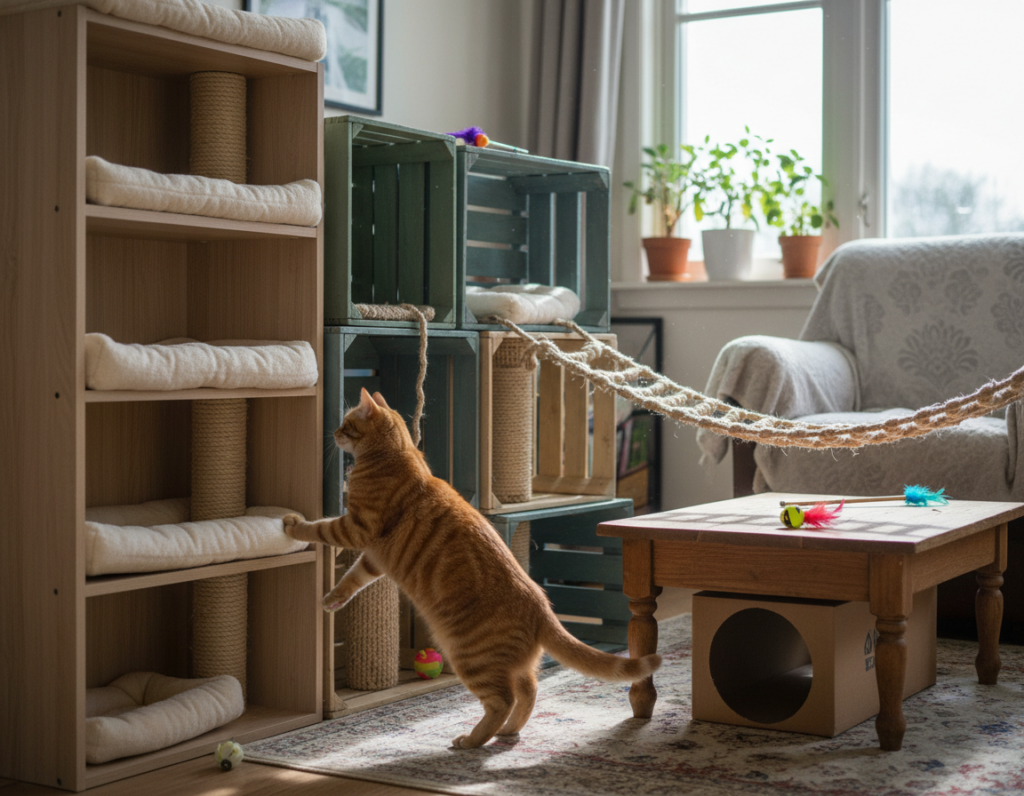
- Keep each level reachable and add a bridge to link sections for smoother movement.
- Tailor the overall design to the animal’s energy: playful pets enjoy higher, more complex routes.
- Plan landing points and grip surfaces so each stage stays stable under dynamic use.
With careful planning, a well-laid-out cat shelf system becomes a functional feature that enhances both pet welfare and living space.
Locating Studs and Preparing the Wall Surface
A sturdy mounting plan starts with finding the structural supports behind your interior walls. This step protects both the finish and the animals that will use the shelves.
Using Stud Finders Effectively
Use a quality stud finder to mark each stud. Most studs sit 16 or 24 inches apart, so scan the wall twice to confirm each line.
Tip: Mark the edges and center of the stud so brackets sit over solid wood. Measure in inches and re-check before drilling hardware.
Avoiding Drywall-Only Installations
Avoiding Drywall-Only Installations
Never depend on drywall alone for supporting active weight. A jumping animal can dislodge anchors and cause a collapse.
- Locate studs first — they provide the best support for heavy shelves and brackets.
- If stud alignment is impossible, choose heavy-duty toggle anchors to spread the load behind the wall.
- Prepare the area by cleaning the surface and ensuring clear space for safe mounting.
Final checks are essential. Double-check measurements, verify bracket placement, and confirm that anchors or studs will bear the expected weight. Proper prep keeps walls intact and pets secure while they explore vertical space.
Mounting Techniques for Secure Cat Shelves
Sturdy connections and measured placement turn simple boards into reliable perches.
Choose brackets rated for high weight. Some models support up to 80 lbs, which adds a safe margin for active pets and multiple cats.
The most secure way is to drive long screws directly into a structural stud. Fastening into studs gives the best load support for wall shelves and reduces strain on anchors.
Always use a level to make each shelf perfectly horizontal. A tilted shelf can cause slips when a pet lands from a jump.
- Attach brackets to the side of the shelf with pan-head screws so there are no exposed fasteners to snag paws.
- Verify anchors are rated for the wall material in the home; toggle or wedge anchors suit solid walls and provide extra weight capacity.
- If a stud cannot be reached, pick heavy-duty anchors and test the assembly before regular use.
“Prioritizing proper fastenings and testing load limits keeps the system safe and durable.”
Final check: measure twice, tighten all screws, and confirm the level. These simple steps ensure lasting safety for pets and preserve the wall finish.
Adding Comfort and Traction to Your Design
A few smart surface choices make each mounted platform more secure and more appealing. Good traction prevents slips and helps the pet move confidently along the wall route.
Apply non-slip materials like low-pile carpet or sisal to the top surface to give grip during jumps. Wrap the covering around the edges so paws get purchase while landing.
Keep the deck wide enough: a platform should be at least 10 inches wide to allow safe turns and comfortable resting. Narrow boards increase the risk of missteps and reduce usable space.
- When attaching carpet, use a high-quality spray adhesive to lay the material flat and avoid bumps.
- Avoid staples on the top surface; they can injure paws during play.
- Ensure any angled surfaces stay under 40 degrees to preserve steady footing and safety.
Thoughtful materials and finish choices will make the shelves more inviting. Proper traction and safe edges encourage cats to use the wall more often for exercise and rest.
Encouraging Your Cat to Explore the New Territory
Use short, positive sessions to build your pet’s confidence on the mounted platforms.
Start by placing treats or a favorite toy on a low shelf, then move rewards upward to the highest level. Sprinkle a little catnip on the top platforms to spark curiosity and reward progress.
Stay patient — it may take some time for the animal to accept the new wall. Offer praise and gentle petting during practice so the experience stays positive.
- Observe the first climbs to confirm spacing is safe for jumping.
- If hesitant, guide movement with a feather wand or a laser in a calm, steady way.
- Consistent encouragement turns the shelves into a trusted play area over time.
“Short sessions and steady rewards help most pets adopt a new climbing route.”
Advanced Customization for Multi-Cat Households
In busy homes with several pets, layering routes and retreats keeps peace and reduces competition. Thoughtful planning helps every animal claim its own space and reduces stress.
Install small cubbies or covered boxes at mid levels so a shy animal can retreat. Soft bedding and an angled entry make these retreats inviting and safe.
Designing around corners
Use corner runs to extend the system without taking extra floor space. A staggered path that wraps a corner gives an interesting route and fresh vantage points.
Incorporating window perches
Place a top-level perch at a window to offer views of birds and street life. A secure, cushioned perch becomes an instant favorite for many pets.
- Provide multiple routes so cats like to avoid conflicts.
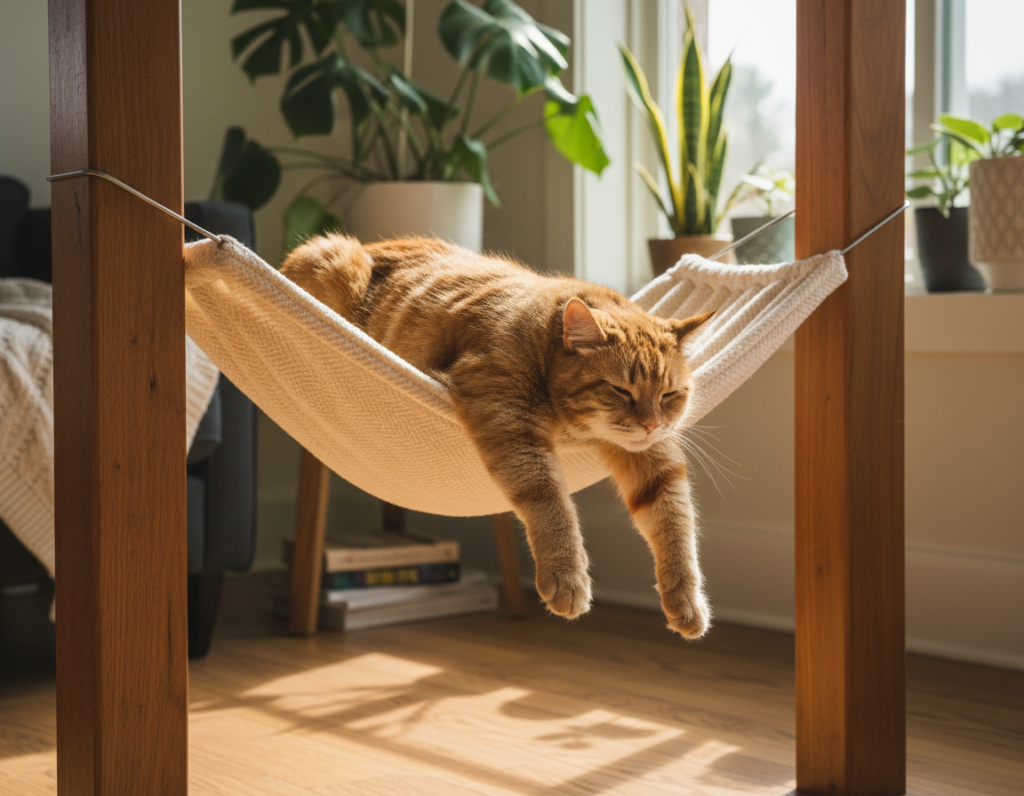
- Add bridges or hammocks to introduce variety and rest spots.
- Design each level to suit different energy and age groups.
“The House of Nekko shows how layered walks can support dozens of residents.”
For more layout ideas, see designing a cat wall for practical inspiration.
Conclusion
A compact wall system turns unused vertical space into an active, calming zone for pets. Building cat shelves is a rewarding project that saves floor space and boosts enrichment for a single cat or multiple cats.
By following this guide, owners learn how to pick materials, find studs in walls, and secure platforms with proper brackets and anchors. Thoughtful placement of a shelf and matching traction on the shelf keep movement safe and confident.
With a little creativity, cat wall shelves become an attractive home feature that supports play and rest. For fresh layout ideas, see diy cat shelf ideas. Always monitor use as pets explore new wall shelves to ensure comfort and safety.