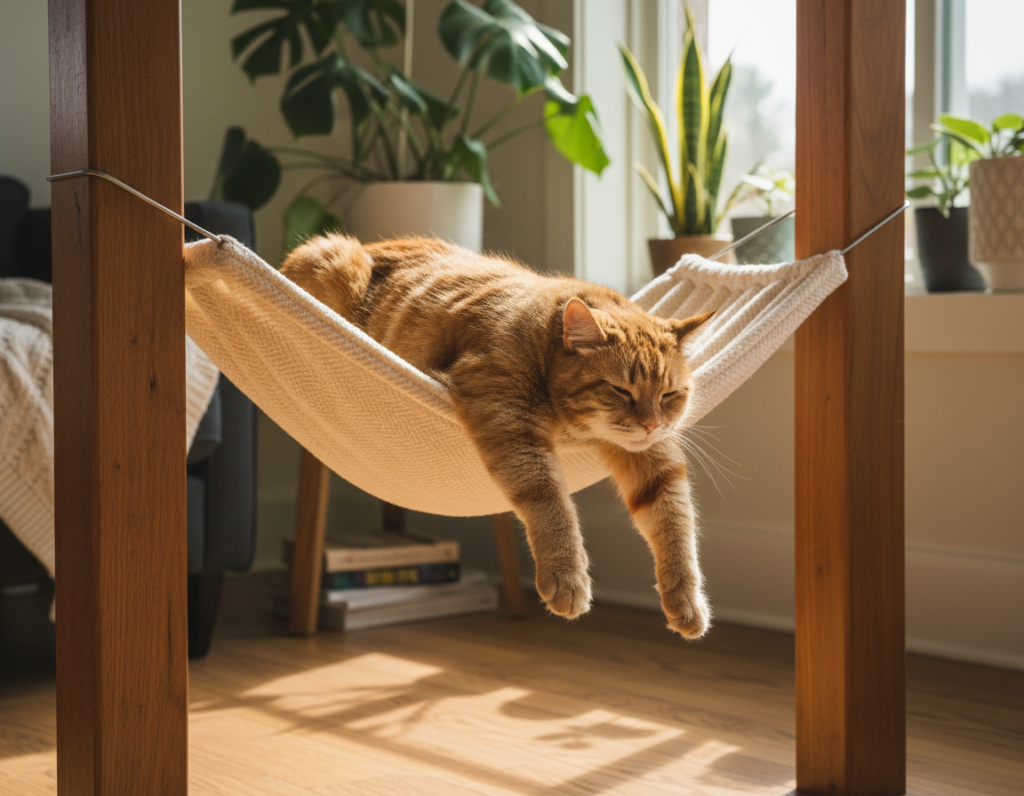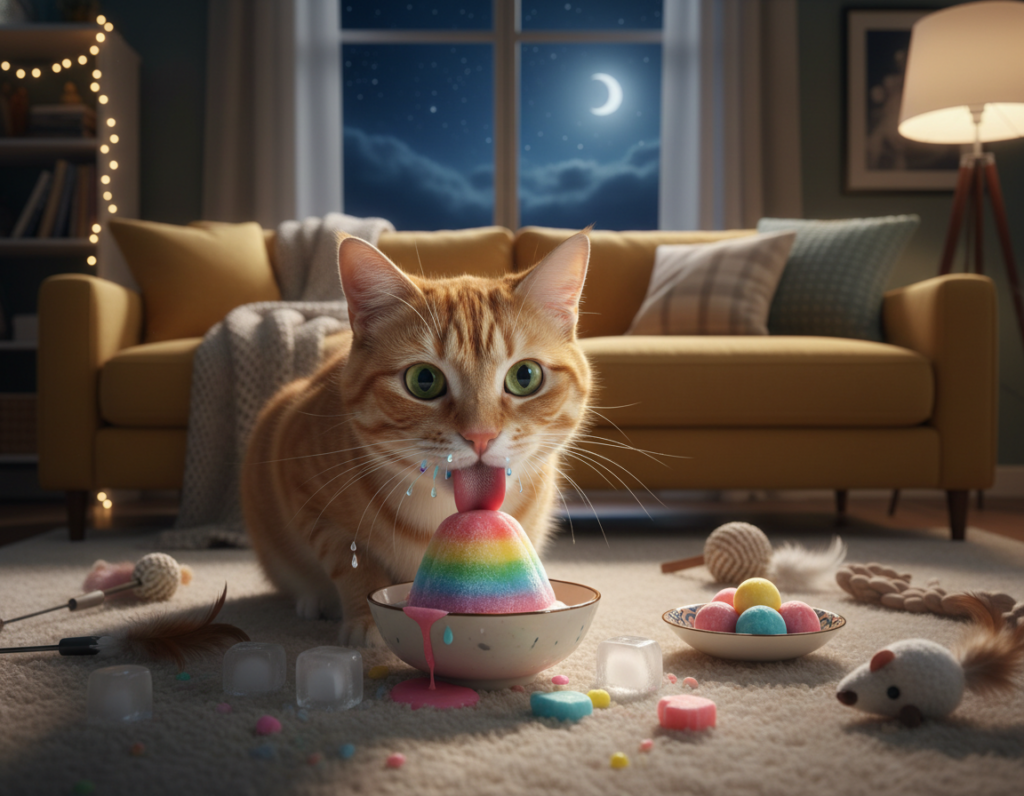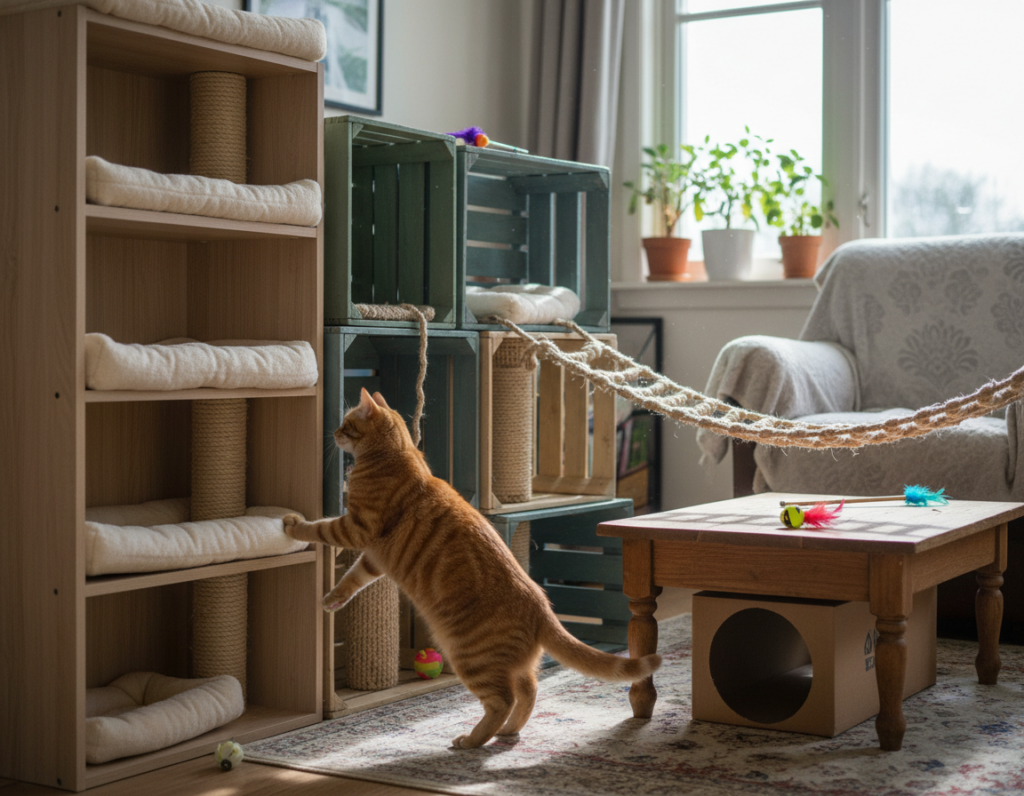
Introducing varied scent enrichment transformed daily life for the indoor household. The owner noticed clearer play rhythms and calmer behavior during busy days. Short, consistent sessions with different toys and catnip kept interest high.
Rotation matters: swapping items every few days made each toy feel new again and encouraged active exploration. This change reduced boredom and gave the pet mental stimulation without extra effort.
Their observations match expert advice that variety in an animal’s environment supports long-term wellness. To learn practical steps for creating a sensory setup and rotation plan, see this sensory enrichment guide.
Understanding the Importance of Olfactory Stimulation
Olfactory cues shape how indoor pets explore and cope with daily life. While humans have about five million receptors, dogs and cats can have between 100 and 300 million. That difference helps explain why smells matter so much to a feline.
Biology drives behavior: roughly 60 percent of cats respond genetically to catnip, usually after six months. Plants like silver vine, valerian root, and Tatarian honeysuckle trigger pleasure centers in the brain. A 2021 Iwate University study found silver vine contains nepetalactol, which repels mosquitoes and can protect pets from bites.
- Olfactory stimulation reduces stress by engaging instinctual exploration.
- Watching how a pet uses its nose offers a window into its world.
- Knowing biological triggers helps humans provide safe, effective enrichment.
Olfactory cues give indoor animals safe ways to explore and stay mentally active.
Implementing Effective Cat Scent Enrichment Ideas
Small changes to toys and feeding setups can spark big interest in indoor pets. Start with safe herbs and low-effort puzzles that encourage natural foraging. Keep sessions short and varied to maintain attention and reduce stress.
Using Safe Herbs and Plants
Choose mild, pet-safe plants. Rosemary and lavender are generally safe for most animals and offer new scents without risk. Add a pinch of dried catnip to a toy once in a while to renew interest.
Place herbs in different areas and pair them with resting spots and scratching posts. Rotate at least once a week to keep the brain engaged.
Engaging Noses with Food Puzzles
Hanna Fushihara of Nosework Cats notes that food puzzles sharpen hunting instincts. Allison Hunter-Frederick recommends cardboard boxes or puzzle feeders for cognitive play.
- Use egg cartons or toilet-paper tubes as simple feeders.
- Hide small treats inside to prompt searching and reward successful foraging.
- Monitor play for safety and remove small balls or loose parts that pose a choking hazard.
Creating Nature-Inspired Scent Trails
Make a trail with a cotton ball dabbed in a pet-safe aroma. Lead the trail toward a hidden treat or window perch to encourage exploration.
Provide vertical options like a window perch or condo so the animal can watch birds and move between social places in the room.
“Any pet can benefit from simple scent work that taps natural foraging behavior.”
Encouraging Natural Scent Marking Behaviors
Creating dedicated spots for rubbing and scratching gives pets clear ways to claim territory. This approach supports healthy behavior and reduces damage to furniture.
Provide a mix of textures. Research shows sisal and cardboard are top choices for most cats. Add vertical posts and flat pads so each animal can choose what feels right.
Providing Appropriate Scratching Surfaces
Place posts near resting places or in corners of the room to encourage use. A station like the Catit Senses 2.0 Wellness Centre (about $40) offers a dedicated area for rubbing and depositing natural scent.
- Keep multiple options—vertical and horizontal—so the pet can mark different places.
- Use boxes, cardboard pads, and sisal posts to maintain claws and let noses leave signals.
- Use a ball or other toys to lure shy animals to new spots and build confidence.
Consistent training and positive reinforcement steer pets toward approved surfaces instead of upholstery. By respecting marking needs, owners create a calmer environment and limit destructive behavior.
“Providing clear outlets for scent marking helps indoor animals feel secure and reduces conflict.”
For more on safe olfactory play and practical setups, see this olfactory enrichment guide.
Safety Considerations for Indoor Environments
Begin every enrichment change with a quick safety review of the room and materials. A short check helps prevent accidental ingestion, choking, or irritation. Keep resting areas and water bowls clean and accessible in different areas of the household.
Avoiding Overpowering Artificial Scents
Do not use strong incense or undiluted essential oils. These products can mask natural scent marks and trigger respiratory problems in cats and dogs. When introducing new grass or plants, verify they are free from herbicides and safe for noses to investigate.
Monitoring Play and Behavioral Responses
Owners should watch playtime closely for signs of overstimulation or aggression toward other pets. Keep cardboard boxes and toys in good condition and remove items with small parts.
- Professional help: If boredom or behavior issues persist, contact Beverly Hills Veterinary Associates at (248) 646-5655.
- Train responses to cues to manage excitement when introducing food puzzles or treats.
- Check all enrichment items regularly for wear and safety so the environment remains low-stress.
Conclusion
Introduce small, steady changes to boost an indoor pet’s wellbeing. Rotating toys, offering puzzle food, and adding safe scent elements like occasional catnip create fresh chances for play and exploration.
Provide clear scratching options and comfy resting places so each animal can mark and relax without conflict. Observe responses to treats and activities; every cat prefers different things.
Keep safety central: choose non-toxic materials, monitor new items, and use short training sessions. Consistent play and gentle training reduce stress and keep the brain active.
These modest changes offer a simple way to improve daily life and build a more confident, happier companion.