Understanding why a pet seeks constant company is the first step to a calmer home. Camille Arneberg shared insights on January 31, 2024, that help explain this mix of affection and need. She noted that what seems like love can sometimes signal stress or unmet needs.
Every cat has a unique personality. When one grows overly attached, owners must respond with care. Small spaces can amplify clinginess and make normal routines feel strained.
Managing a clingy cat takes patience. The time owners invest in play, structure, and enrichment affects how quickly a pet learns independence. Simple steps—consistent schedules, gentle rewards for calm moments, and more outlets for energy—can ease tension.
For signs and practical strategies, readers can consult a focused guide on dealing with attachment and attention issues at clingy cat support.
Identifying Signs of Indoor Cat Clingy Behavior
When a companion starts shadowing every room, the reason is rarely just affection. Owners should watch for clear signs that their pet feels anxious or understimulated. Early spotting helps reduce stress and improves time management for everyone.
Physical Proximity and Shadowing
One main sign is following a person around the house every time they move between rooms. This constant proximity may turn into separation anxiety when the household member prepares to leave.
Destructive Outbursts and Vocalization
Knocking things over, loud meowing, or scratching furniture often shows frustration or boredom. Using the litter box outside the box can be a health warning and a behavioral sign at the same time.
“Persistent meowing and sudden changes in routine often point to unmet needs, not just demand for attention.”
Quick signs to watch for:
- Following around the house and constant sitting by your side.
- Vocalizing loudly or knocking items over before a departure.
- Urinating outside the litter box — consult a vet if this starts.
- Using toys or furniture destructively from boredom or to get attention.
If overly clingy cats show sudden changes, the owner should note the timing and seek vet advice when physical issues might be involved. Small adjustments and added mental stimulation can reduce clinginess and restore calm.
Common Triggers for Needy Feline Habits
Small changes at home can push a pet to seek more company and reassurance. The Ohio State University Indoor Pet Initiative cites environmental changes—like moved furniture or a new layout—as a major stressor for many cats.
When the household shifts, cats may show clinginess as a response. A new family member or pet often upends social routines. This can lead to separation anxiety, especially if a primary caregiver leaves for work more often.
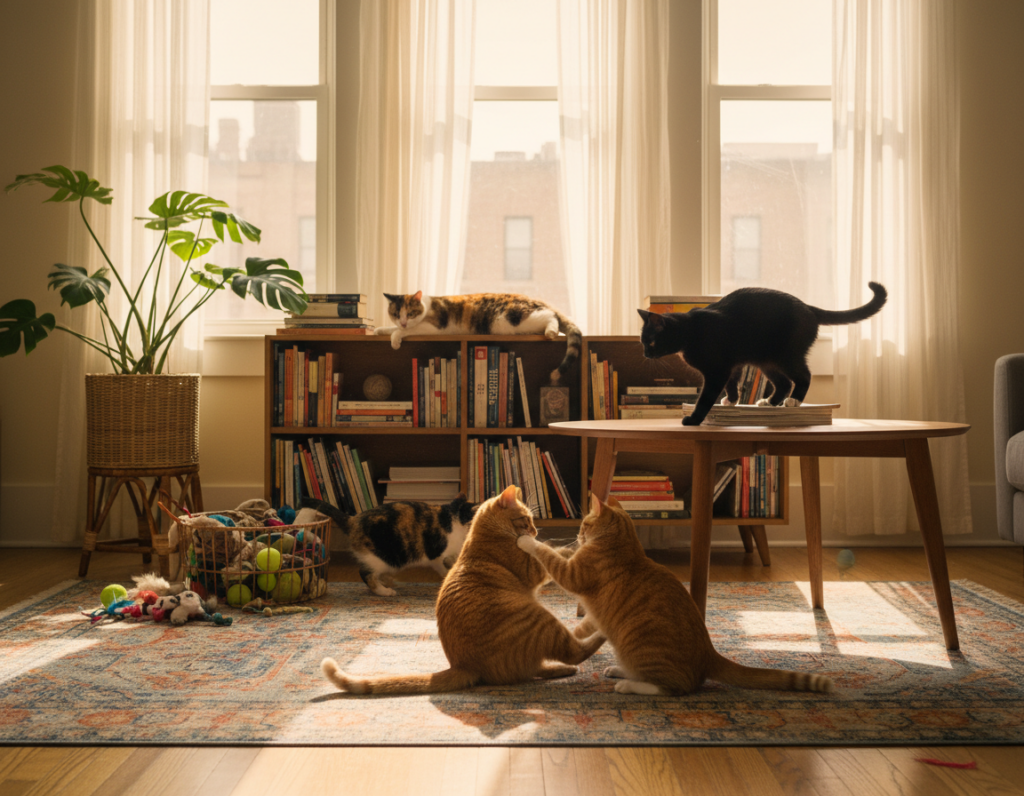
A lack of mental stimulation commonly causes boredom. Bored cats may demand attention and follow people around the house to fill time.
Changes in schedule or routine also trigger clingy behavior. Even subtle alteration can make a cat use the litter box outside the box as a sign of stress or of an underlying health issue.
- Environment: moving furniture, new layout, or unfamiliar scents.
- Social shifts: new family member or another pet joining the home.
- Routine breakdown: less play time, more work hours, or irregular feeding.
Identifying these reasons is the first step to help. Addressing stimulation, routines, and health checks helps cats regain confidence and independence.
Environmental Adjustments for Small Living Spaces
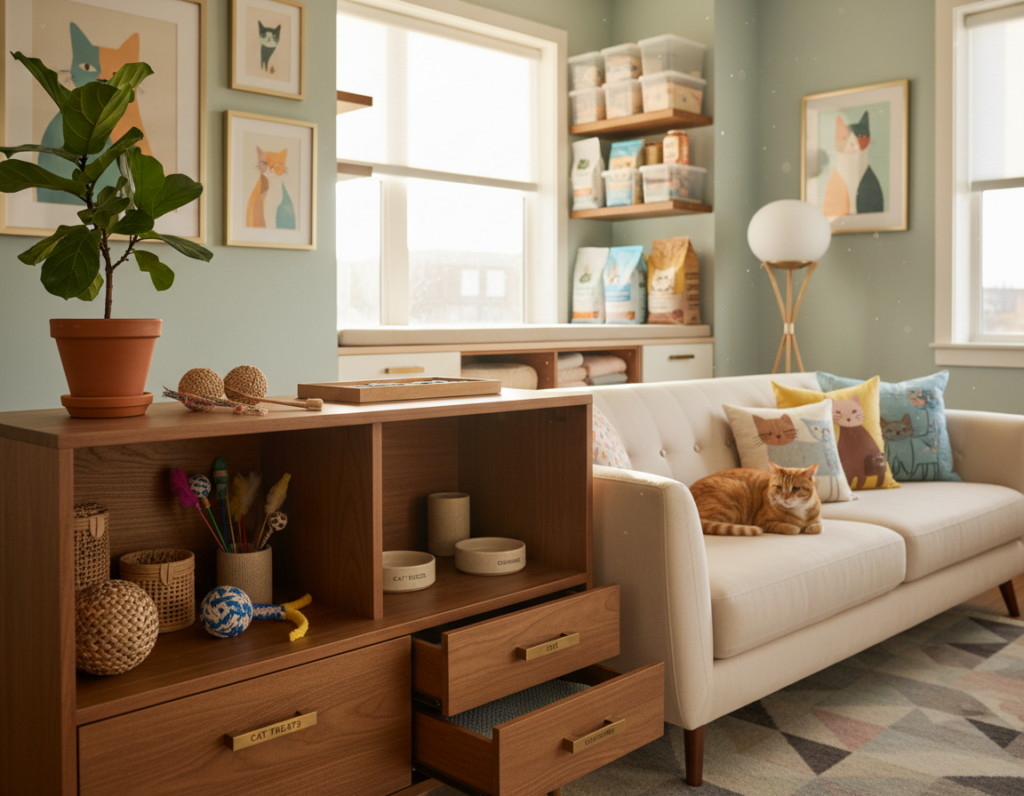
Small homes demand creative setups to keep a pet calm and confident. Thoughtful changes to the environment reduce anxiety and make daily life easier for both people and cats.
Vertical Space Utilization
Adding shelves, perches, or a tall cat tree gives cats places to climb and observe. Vertical territory expands usable space without cluttering floors.
Perches near windows offer stimulation and a quiet lookout when changes at home feel overwhelming.
Mental Stimulation Tools
Puzzle feeders and interactive toys occupy a cat when the owner must spend time away. These tools reduce boredom and focus attention away from a single family member.
- Puzzle feeders: keep a cat engaged while offering treats.
- Interactive toys: provide exercise and mental stimulation.
- Rotating items: swap toys to prevent lack of interest.
Safe Retreats
Offer secluded hiding spots and a quiet litter location. A predictable, clean spot for elimination supports health and comfort.
“Giving a pet control over a small, private area helps them feel secure.”
Strategies to Encourage Independence
Predictable daily patterns give pets the confidence to explore on their own. A clear schedule lowers stress and teaches a pet when to expect meals, play, and quiet time.
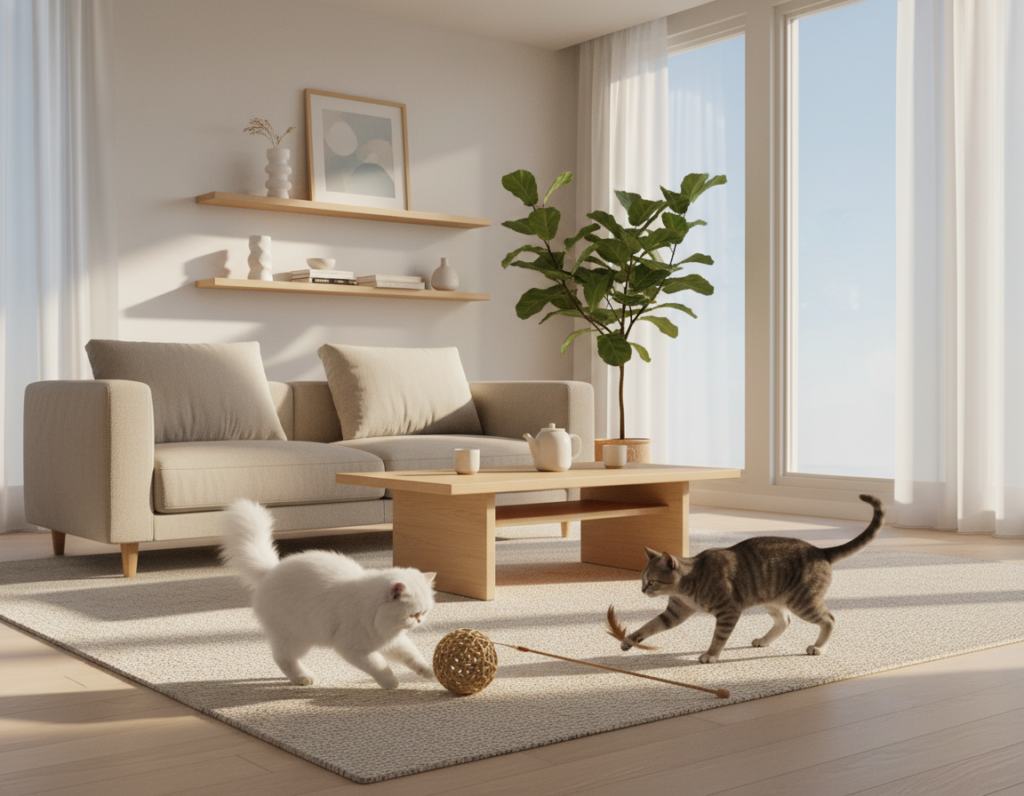
Establishing consistent routines is key. Experts recommend 15 to 20 minutes of interactive play twice a day to help a cat burn energy and build confidence. Using interactive toys during these sessions shifts attention to games rather than following a person around.
- Keep set feeding and litter times so the day feels predictable.
- Use interactive toys in scheduled play to boost mental stimulation.
- Praise independent play to reinforce the new routine.
“A structured day prevents anxiety and slowly reduces the need for constant attention.”
Even during work hours, a steady schedule helps. For more hands-on training tips, readers can train a cat to be less with consistent timing and rewards.
When to Consult a Veterinarian
When a pet shows new, persistent changes in daily habits, medical causes should be ruled out first. Sudden clinginess, increased vocalization, or a change in attention can all be signs of illness.
- Sudden signs of clinginess or restlessness that start overnight.
- Using the litter box outside the box — this is a major health sign.
- Persistent separation anxiety or loud vocalizing that suggests pain.
The Cornell Feline Health Center notes cognitive dysfunction affects 28% of cats aged 11–14 and over 50% of those older than 15. A veterinarian can test for age-related decline and other medical reasons.
“A diagnostic blood panel, which costs between $200 and $500, is a common way to rule out conditions like hyperthyroidism.”
If clingy behavior continues despite environmental fixes, schedule a vet visit. Never ignore sudden changes in a pet’s schedule or habits — they are often the only way the animal signals it is unwell.
Conclusion
A clear, consistent plan helps owners support confident cats and reduce demand for constant attention.
Small adjustments to the environment and steady routines give a pet predictable cues. This approach cuts stress and lowers anxiety in a small home.
Watch for sudden changes in health or habits. If new signs appear, contact a vet or veterinarian to rule out medical causes.
With patience, enrichment, and set time for play, owners can limit clinginess and guide each cat toward greater independence and calm.